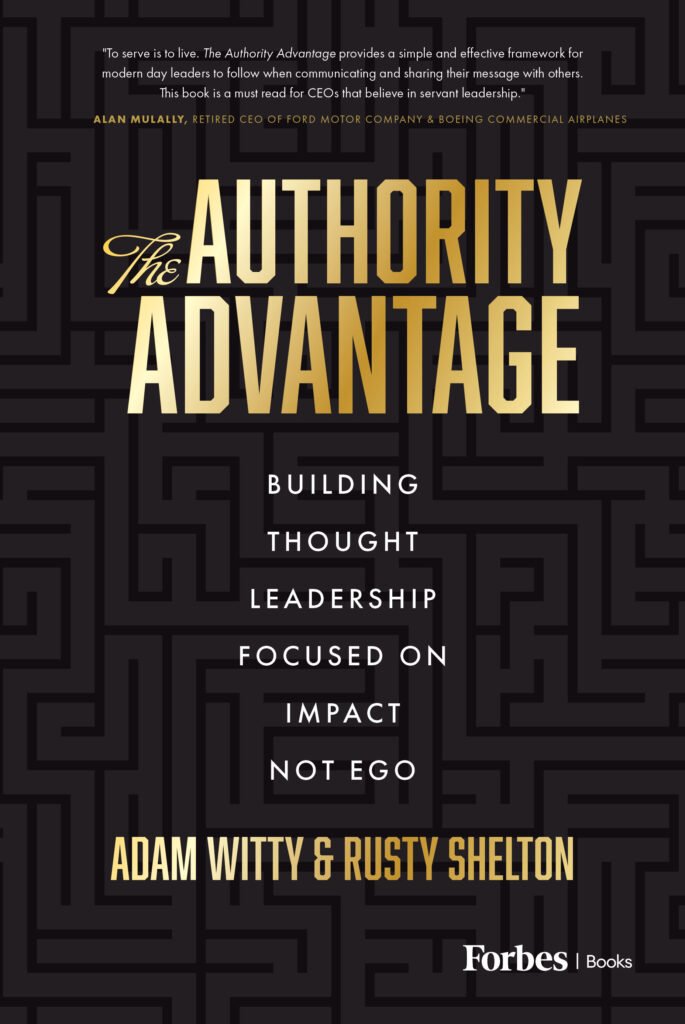


Winning new business isn’t simply about reaching the right people at the right time, says CEO and author Adam Witty – it’s about establishing credibility, demonstrating expertise and building relationships long before prospective customers are ready to buy
The way people choose who to work with has changed. Traditional advertising and polished marketing campaigns still have their place, but they no longer carry the influence they once did. People are increasingly inclined to seek out those they trust: individuals and businesses with the knowledge, experience and credibility to help them make informed decisions.
For businesses, this means thinking beyond the traditional sales approach. It’s no longer simply about getting a product or service in front of the right people; it’s about building relationships, demonstrating expertise and earning trust over time. And that starts with understanding your audiences.
Every business has three audiences, each with a different relationship to your business:
- Existing – clients, strategic partners and team members; the people already engaged with your business and contributing to the results you want to achieve.
- Prospective – people who know who you are but haven’t yet taken the next step, whether that’s becoming a client, accepting a job offer or booking you to speak.
- Future – people within your target audience who don’t yet know who you are.
Why a ‘selling mindset’ doesn’t sell
When you have a selling mindset, you are only set up to convert the first category: people ready to buy now, which means you are only providing value to a tiny number who have already decided they’re willing to engage and part with their money.
The trouble is that while most marketing and advertising campaigns profess to focus on the future prospects, the traditional ways of doing this fall short in today’s sceptical world. In the past, driving potential customers to a ‘brochure’ website, where the only things for them to do is find out more, buy something and/or make contact in order to answer a question or arrange a meeting, was the main aim of the game. This approach loses anyone who is interested but not yet ready to engage and is getting increasingly difficult in a world where AI overviews now rule the search engines.
To encourage targets to join the prospect queue, you need to be reaching them in different ways and telling them different things, maximising the many opportunities now available to share your expertise. Whether that’s online through social media, digital magazines and podcasts. Or in person, through speaking opportunities, for example, or publishing a book or research paper. None of these touch points need to spell out how great your product or service is, the purpose of them is to demonstrate how much you know about your sector, why you and your business should be trusted and how you can help people make informed decisions.
Steps to leveraging the ‘authority advantage’
Here are some practical ways to reach and engage your prospective client base, demonstrate your expertise and build your authority over time.
- Show the evidence – Use your website and social profiles to demonstrate the work behind your expertise: books, media coverage, certifications, speaking engagements and significant projects. Choose photographs and videos that show the people, organisations and results involved, rather than generic images and promises.
- Make your media channels work together – Share ideas through rented media, such as social platforms. Build credibility through earned media, including editorial coverage, referrals, book reviews and speaking invitations, and give people somewhere to return through owned media, such as your website, email list, podcast, papers and books.
- Share lessons, not just achievements – Use ‘you’ content to draw on your work and personal journey. Practical lessons, mistakes and behind-the-scenes decisions show what you have learnt that could help someone else.
- Put the news into context – Connect your expertise to issues your audience cares about. Explain what a story means, what may have been missed and how people could respond, rather than simply repeating the headline.
- Bring other perspectives into the conversation –Create ‘relationship’ content by interviewing leaders, sharing customer conversations, quoting specialists or highlighting joint projects. Show how you learn and work with others, and the standards that shape your approach.
- Make your LinkedIn profile stand out –Write a headline that goes beyond your job title and use the ‘Featured’ section to show evidence of your expertise. Share useful ideas, contribute thoughtful comments and choose a rhythm you can sustain, without turning every interaction into a sales opportunity. LinkedIn has become one of the most heavily cited domains in AI-driven search results, with long-form LinkedIn articles accounting for a substantial majority of those citations.
- Advise before you ask for a commitment – Give prospective customers useful ideas and evidence they can assess without buying something or arranging a meeting. The aim is to help them get to know you before they are ready to engage.
- Give your ideas a wider reach – Use a book to organise and explain your thinking, then share those ideas through speaking opportunities, podcast appearances, contributed articles and local-media commentary. Give people reasons to stay connected, so they think of you when they are ready to commit.
Traditional lead generation is dead
We can’t overstate the importance of understanding the shift that has taken place and the opportunity it provides for someone who wants to drive more leads, grow their business and ideally, grow their position as an individual expert (the two things go hand in hand in my opinion).
For years, marketing has been about immediate conversions. X number of brochures led to Y number of calls. X number of cold calls led to Y number of leads. But the limiting factor of these ‘traditional’ lead generation tactics is that they only allow you to convert those people you happened to get lucky enough to reach on the right day, leaving no opportunity to nurture targets that were interested in your topic area, but weren’t ready to convert. As a result, you only got a fraction of the value from the money and time you spent on lead generation efforts.
By contrast, in focussing on building your ‘authority’ rather than direct selling, providing mutually beneficial ways for potential customers to get value and learn more, you have a chance to build an affinity over time – all while enhancing the trusted opinion of both your personal and company brand.
About the author
Adam Witty is the founder of Advantage | The Authority Company and co-author of The Authority Advantage, published by Forbes Books UK and available now.