


Every drop of the ocean is connected. Only a firm global plastics treaty can protect it, writes Nick Doman, co-founder of Ocean Bottle
Four years ago, I was walking along the secluded Uluwatu Beach, in Bali. It was beautiful, tranquil, and remote: seemingly a rare example of untouched natural beauty.
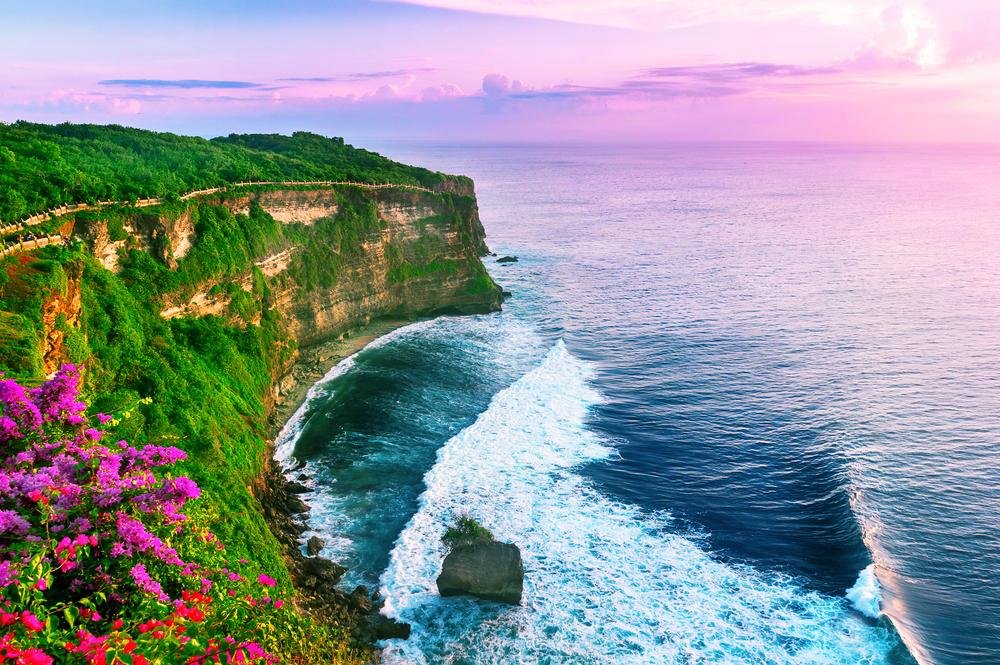
That was until I looked down and saw – washed up with a piece of seaweed – a beaten up empty water bottle. I remember feeling bemused when I picked it up. It was a British brand, and this little reminder of home was the last thing I expected on a distant coastline thousands of miles away. Yet the further I walked, the more the crushed bottle in my pocket bothered me.
How had it got here, all the way from the UK? What had its journey been? I looked at the ocean, and there was my answer. Because the second something enters the sea it becomes global. No longer contained by geography, country borders, or national laws, a piece of litter enters the ocean and becomes both everyone’s problem, and no one’s. And for those who try to take responsibility, there are often enormous frustrations.
Ocean Bottle has recently carried out research on the challenges UK consumers face when trying to avoid single-use plastic. We found, for example, that 78 percent of those surveyed own a reusable water bottle, yet 58 percent say they cannot ever find a place to refill it. More than half (53 percent) are also too embarrassed to ask shops or cafes for a refill, so end up buying a plastic water bottle instead. Local action in every town and city in the UK is needed to bring about a network of refill points that will consign single use bottles to the history books.
Meanwhile, at a global level, leaders are coming (belatedly) to understand that the world’s ocean is a lynch pin of human existence. Covering 70 percent of the Earth’s surface, it provides 50 percent of the oxygen we breathe, regulates our climate, facilitates the global economy and supports millions of livelihoods around the world.
This month, the UN introduced a landmark global ocean protection treaty introducing internationally agreed rules to manage and protect waters falling outside any national remit. Most significantly, it consolidates a global pledge to put 30 percent of the planet’s seas into protected areas by 2030.
My first emotion hearing this news was relief. After all, the treaty finally shows world leaders taking ocean health seriously. Yet my next emotion – surprisingly swift – was that of frustration.
To truly protect the high seas, we cannot simply cordon off areas of the ocean for protection, not when every drop of it is connected. To truly regenerate ocean life a new treaty is required, one that halts ocean waste and pollution at source.
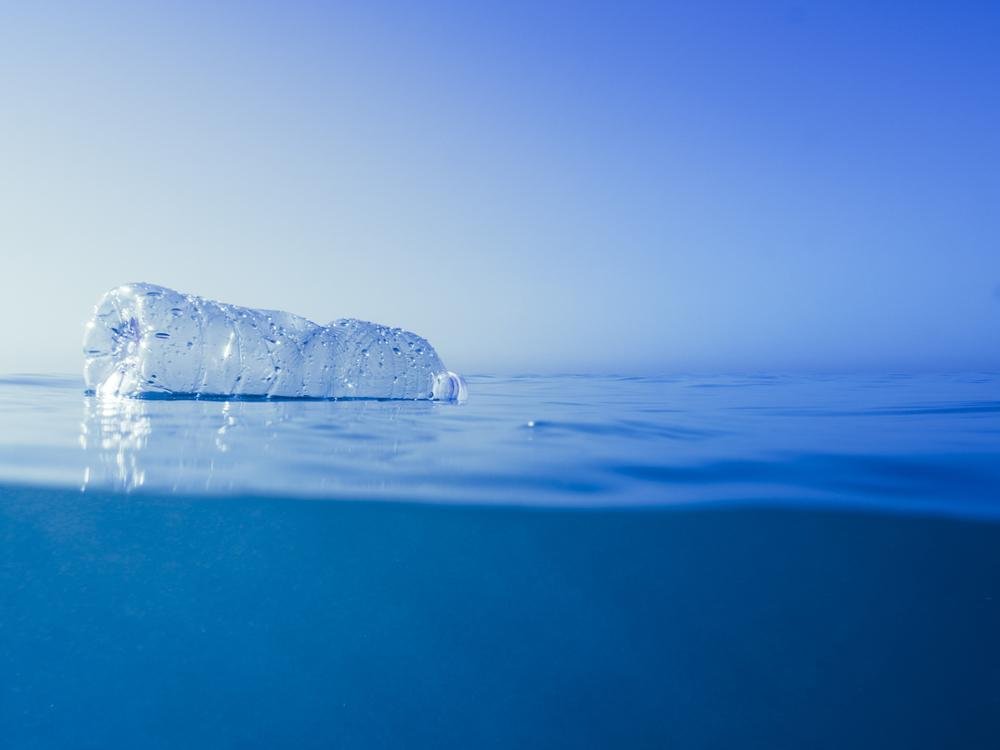
With plastic production expected to more than double by 2024, resulting in plastic debris in the ocean quadrupling by 2050, only cutting back on plastic production will make a difference. It is, after all, production which feeds pollution and – at present rates – experts are predicting that by 2050 there will be more plastic than fish in the sea.
As no single country or company can tackle this issue singlehanded, a global plastics treaty could be the means to stem this toxic flow and genuinely regenerate the ocean. Like the “High Seas Treaty”, the plastics treaty could introduce a global ‘code of conduct’, this time focused on curtailing plastic production at source with binding commitments to cut the manufacture and sale of plastics.
It would also regulate how plastics are used and safely disposed of across the globe, ensuring each country is held accountable for its waste, putting measures in place to prevent countries simply exporting their plastic waste overseas.
It is my hope that the High Seas Treaty will pave the way for follow Plastics Treaty leading to an international crack down on ocean plastic. For as long as plastic continues to pour into our seas unabated, pledges to protect 30 percent of the ocean will continue to ring hollow.
In Bali, I remember looking at the vast mass of ocean crashing to shore and being hit by an overwhelming sense of its power. But the truth is, despite appearances, the ocean is alarmingly vulnerable. Action locally and nationally alongside clear global commitments are the only way humankind can protect them and reverse the damage we have caused.
ABOUT THE AUTHOR
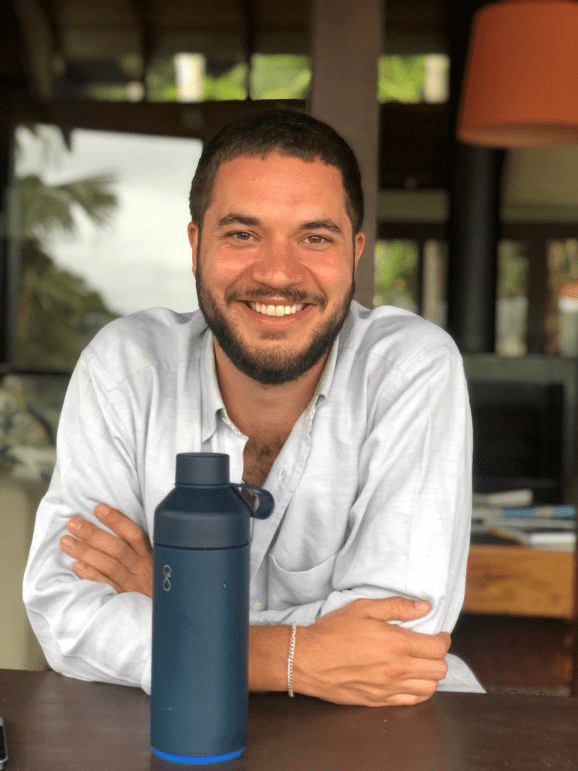
Nick Doman co-founded Ocean Bottle to drive impact in environment, sustainable development and social equality. Every Ocean Bottle funds the collection of 1000 plastic bottles in weight and supports the livelihoods of plastic collectors in countries such as Indonesia, Brazil, Ghana, India and the Philippines.