

Claire Pattison of Manchester Metropolitan University explores a range of practical steps to improve your management skills in the remote and hybrid era
In 2026, it will be more important than ever for remote managers to create an environment of collaboration and inclusion. Yet, according to the TeamFlect 2025 Remote & Hybrid Work Stats Report, only 30% of employees believe their manager is equipped to lead remote or hybrid teams.
Hybrid or fully remote environments can easily create conditions where team members feel disconnected and less informed than they would like to be. With multiple channels – emails, messaging apps, and project platforms – employees can often experience feelings of overwhelm and information overload. It’s up to the manager to help them navigate this complexity.
It highlights that structure, clarity and human connection, determines whether remote work succeeds. Where managers lack the skills or confidence to lead remote teams, employees are far more likely to feel unsupported and disengaged. The problem, then, isn’t remote working itself. For employees who have weekly check-ins and clear performance expectations, 65% in the TeamFlect study reported feeling more productive and less isolated in remote settings.
What makes a good remote manager?
In any business, trust and psychological safety are key to building a successful, high-performing team. This is true whether employees are working remotely, in hybrid arrangements, or fully in the office. Trust is a two-way relationship. As a manager, trust is built by keeping promises, being open and honest, moving beyond purely functional, managerial tasks, acting with integrity and focusing on the individual, rather than the role.
In practice, this means empowering teams to own their work, demonstrating confidence in their ability to make decisions, and avoiding unnecessary micromanagement. Good managers focus on outcomes rather than hours worked, evaluating employees based on their results, rather than how hard they appear to be working. By being clear about priorities, expectations, and success measures, managers allow employees to work in ways that best suit their productivity, while still maintaining accountability.
Managers must also be able to trust that their team will perform their roles to the best of their ability. Their role is to provide the tools and conditions that allow employees to do this effectively. This may be through good training, sound IT systems, collaborative working spaces, access to resources and equipment, or greater autonomy and decision-making capability.
With remote working, the connection element becomes even more important. The manager’s task is no longer to supervise tasks, but to connect people. To achieve this, communication is essential. Managers must be intentional about ensuring everyone feels included and informed, regardless of location.
When employees are exposed to vast amounts of information, it is the manager’s role to help teams make sense of what matters, when it matters. The best way to ensure this is through regular check-ins, collaborative problem-solving sessions, and team catch-ups. Accessibility and visibility are vital, especially when the team might be based in completely different locations.
“Good managers focus on outcomes rather than hours worked”
What skills will remote managers need in 2026?
Working daily with business leaders and owners at Manchester Metropolitan University’s Centre for Enterprise, I strongly believe that remote managers in 2026 will need to successfully be able to create an environment of collaboration and inclusion. They must be able to understand data and process complex information, and make confident, evidence-based decisions.
To do this, managers must be excellent communicators with an approachable, honest and open management style. This is the only way to offer employees the psychological safety they require to speak up, share ideas, and perform at their best.
As technology, customer expectations, and workforce needs evolve, leadership must evolve with them. To make data-driven decisions, managers must be able to handle this complex data, and lean into innovation. This involves interpreting data, evaluating risks, and making informed decisions, helping others understand the “why” behind actions.
As AI continues to advance, the pace of change in many industries is rapid, and leaders must be willing to experiment, innovate, and develop both professionally and personally. Managers will also need to help teams understand how to use these tools responsibly, where human judgment remains essential, and how roles may evolve rather than disappear.
The future of remote and hybrid work will not be determined by technology alone, but by the quality of leadership behind it. Organisations that invest in developing confident, empathetic, and data-literate remote managers will be far better placed to attract, retain, and engage talent in the years ahead.
About the author
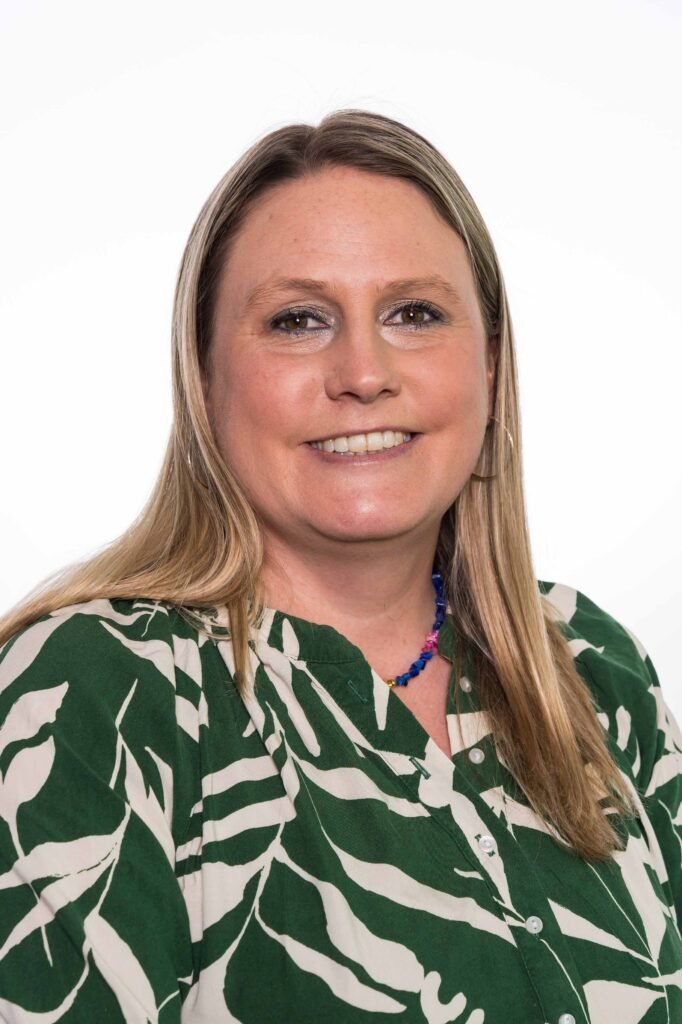
Claire Pattison is a Senior Lecturer Enterprise in Practice, and the Leadership & Growth
academic lead in the Centre for Enterprise at Manchester Metropolitan University Business School.
She works across a series of programmes to support SME leadership, innovation, business growth,
and entrepreneurship.
Further reading
This article was first published in Business 5.0.