


Africa’s potential is unlimited, yet inefficient supply chains, combined with disjointed policy and regulation continue to hold it back. Graham Bright of Euro Exim Bank looks at how this can change
Just as a week is a long time in politics, it has been a busy few weeks in international trade. Recently, we at Euro Exim Bank – as facilitators of global trade through our focus on importers and SME markets – were granted the opportunity to speak at several key conferences on Africa and emerging economies. This included the Commonwealth Head of Trade meeting in Namibia, the Invest Zambia conference in Lusaka, the Africa-Caribbean conference in Grenada, and a UK-Africa event in London. One thing that stood out was that a new message was being repeated, and it was clear and resounding: by opening the hands of friendship and collaboration and focussing on what it can offer, rather than just receive in the form of aid, Africa is fostering a new dialogue of trust, partnership, investment and growth.
Discussion revolved around deriving true value from the continent’s critical raw materials. We looked at how to maximise foreign direct investment, secure guaranteed returns from infrastructure projects and boost food production. The population of Africa is on course to expand to 2.4 billion people by 2025, and much of the focus was on how to ramp up education facilities and enhance the expertise of its growing population.
The task remains huge. As an example of perspective and disparity, just remember that there are African nations whose total value of all imports and exports is dwarfed by the expenditure of key candidates in the campaigns at the recent US presidential elections.
Yet positive signs from both domestic and international markets can be seen in the renewed interest in Africa’s progress. This is evident in the number of recent conferences, which attracted attendees from SMEs across retail, agriculture, finance & investment, and energy, and from more countries and with more participants than ever.
As the population of Africa increases, the need to boost trade and secure self-sufficiency is pressing, and this is where innovation is key. There is talk of urban renewal, smart cities, building new infrastructure in the form of railways, ports, and airports. Education and implementation of technology enablers such as AI, machine learning, and moves towards digital currency and stablecoins to build financial inclusion are all key to this process.
Whilst the opportunities offered by artificial intelligence across medicine, finance, supply chain management, document digitisation, agriculture etc. are all being explored, the problems relating to extreme poverty and severe under resourcing all still need urgent attention. Ensuring food security, access to electricity and clean water are imperatives. The fact remains that there are an estimated 600 million people without electricity and some 300 million lacking access to clean water.
The pluses and negatives of AI
AI cannot build schools, houses, roads and factories, or sow cereal crops, fruit and vegetables. Neither can it extract gold, diamonds or critical raw materials from mines, or build the machines that will allow whole sections of society to enjoy more leisure time and live longer, healthier lives.
But innovative use of AI can be a game-changer. However, like any new technology it needs significant investment when applying its capabilities to a whole enterprise. AI’s real impact will be in harnessing its potential in areas such as:
● Medical research / clinical studies
● Industrial research & design (i.e. developing new products)
● Crop assessment (i.e. pest monitoring, yield prediction etc.)
● Streamlining public and private sector administration
● Data analytics and cyber security
In terms of international trade, the 2025 World Trade Report from the WTO assessed that AI could increase global trade in goods and services by nearly 40% by 2040 and lift global GDP by 12–13%. The key benefits of this increase in Africa will be realised through greater trade efficiency and cost reductions. For example, public and private organisations across the continent generate vast amounts of paperwork, and here successful implementation of AI can be a real boon. This will result in productivity gains through smarter processes, and new industries will emerge from improved digital services.
But these gains will not available immediately across all jurisdictions. Significant barriers still exist. These include inequitable and massively divergent access to digital infrastructure, prohibitively high tariffs and trade restrictions. Unintended consequences, such as regulatory fragmentation, skill shortfalls and worker displacement need to be avoided, otherwise they may fuel rather than eliminate inequality, while also stifling entrepreneurial flair.
“Africa is fostering a new dialogue of trust, partnership, investment and growth”
No liquidity means no trade
So, how can emerging economies trade more efficiently with their neighbours, better manage transport costs and supply chain logistics? How can they recognise (and mitigate) the prevalent financial risks every time goods cross borders, and more so, when they travel across continents?
Although protectionism and tariffs are both major issues today in international trade, the additional burden of counterfeit goods, fraud, cyber fraud and intellectual property theft are estimated to account for 2.5% of all trade. The World Economic Forum (WEF) estimates that trade-based financial crime costs the global economy a staggering $1.6tn annually. Suggested remedies include better cross border data sharing, increased due diligence and compliance and, above all, improved regulatory oversight. If Africa is to trade more efficiently and profitably, it needs to recognise the WEF’s data, and build measures to counter this accordingly.
Additionally, due to mounting risks and potential reputational damage, former powerhouse banks including Barclays and HSBC are continuing to leave Africa, which has in turn disadvantaged and disintermediated small companies needing access to capital from competing in global markets to the tune of $20bn. No liquidity means no trade.
African nations need to ask: what unique products does my country produce for export, requiring us to establish complex supply chains to trade thousands of miles away, incurring cost and time? Can more secure markets be found nearer, with less risk? And where can we find the most effective sources of imports, and goods that we cannot produce ourselves? And finally, what alternative liquidity providers can we trust?
Certainly, across the continent there is a focus on creating more efficient cross border channels by forging stronger links with immediately neighbouring countries. And to this end, the Africa Continental Free Trade Agreement (AfCFTA) is vital to enhancing transport links, boosting competitiveness, realising savings, and ultimately facilitating access to markets across the 54 African states. However, exploiting market opportunities is not that simple. With continued difficulties in securing finance, SMEs are turning to alternative funding sources.
Specialist finance providers beyond Africa are, by necessity, being actively sought to facilitate trade. This is due to high rejection rates from traditional trade finance suppliers/local banks who have a reduced appetite for overseas trade. This forces smaller businesses to look further afield, often with higher rates for issuance and foreign exchange, with forensic compliance and collateral requirements.
As we roll into 2026, with world leaders meeting at events such as the World Economic Forum in Davos, the key topics of climate change, economic pressures, global conflicts and technology will inevitably be discussed. Yet, it’s vital that the interests of emerging economies take centre stage, as all too often, they bear the brunt of the greatest upheaval.
Action is everything, especially for regions like Africa. The continent needs sustained investment, “trade, not aid”. Without the necessary infrastructure investment, and the true economic value of its natural resources and strategic location flowing back into the economy, critical outcomes will be missed.
Despite the best intentions of many of the world’s elite, Africa continues to be exploited, disadvantaged and disintermediated in world trade. This imbalance is in urgent need of address.
It is incumbent on the global trade ecosystem to work with Africa’s economies through agreements and collaboration. Advanced economies must act ethically and with moral purpose. We must instil the necessary protections for workers’ rights and health, targeting the right products at the right price.
Ultimately, we must ensure all players receive the respect and value that their goods and services richly deserve. Only then will we see the true potential of Africa realised.
About the author
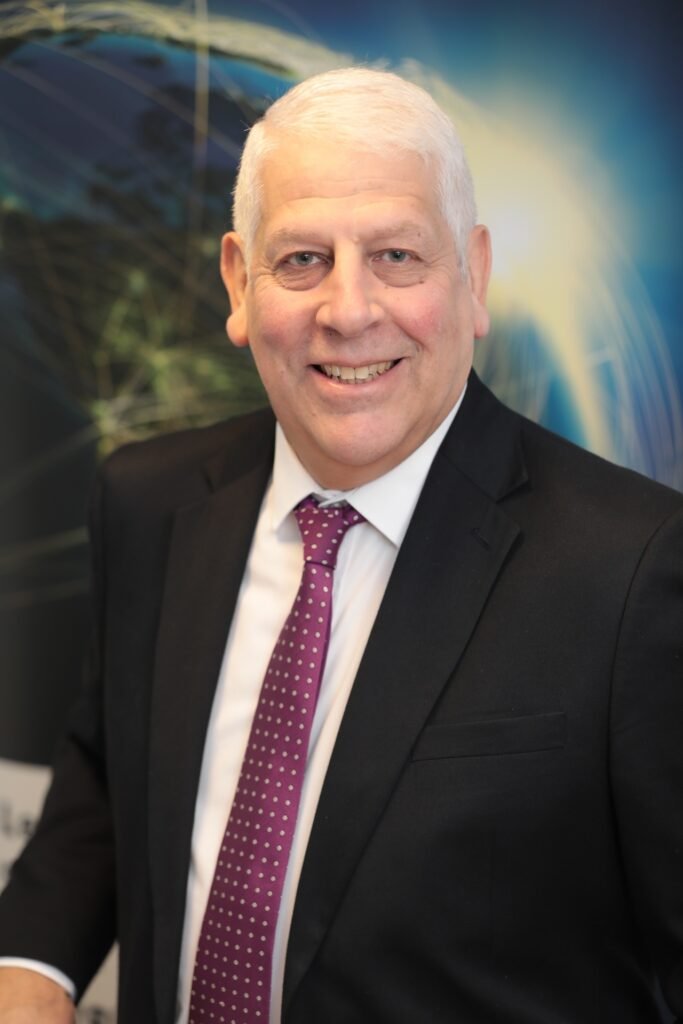
Dr Graham Bright is Head of Compliance and Operations at
Euro Exim Bank. Find out more at euroeximbank.com
Further reading
This article was first published in Business 5.0.