


Artificial Intelligence (AI) is not just a technological advancement; it’s a business revolution. As we move from a digital age into an era of intelligent machines, the real triumph lies in leveraging AI for revenue transformation. Here’s how businesses are doing it and what I envision as the trajectory for AI’s transformative impact on revenue.
Five Solid Examples of AI in Revenue Transformation
1. Predictive Maintenance in Manufacturing
Companies like General Electric are using AI to predict when machinery and equipment are likely to fail, allowing for timely maintenance. This not only reduces downtime but also optimizes the supply chain, leading to significant cost savings and increased revenue.
2. AI-Driven Customer Segmentation
Retail giants like Amazon and Walmart use AI algorithms to segment their customer base more effectively. By understanding customer behavior at a granular level, they can offer personalized recommendations, thereby increasing sales and customer lifetime value.
3. Fraud Detection in Financial Services
AI algorithms can analyze millions of transactions in real time to identify fraudulent activities. This not only saves millions in potential losses but also enhances customer trust, which is invaluable for customer retention and long-term revenue growth.
4. AI in Drug Discovery
Pharmaceutical companies are using AI to accelerate the drug discovery process. By analyzing complex biochemical interactions, AI can significantly shorten the time to market for new drugs, creating a faster revenue stream.
5. Automated Content Generation
Companies like the Associated Press are using AI to generate news articles and reports. This automation allows for a more efficient allocation of human resources to more complex tasks, thereby increasing productivity and revenue.
The Trajectory of AI: My Perspective
AI is evolving from being a mere facilitator to becoming the core of business strategy. We are entering an era where AI will not just be an operational tool but a revenue-generating asset. The future will see the rise of AI-driven business models that are designed around data intelligence and predictive analytics.
The Loop Model for Lifetime Customer Engagement
In my work at The Pedowitz Group, we’ve developed the Loop Model for Lifetime Customer Engagement. This model is designed to integrate AI at every touchpoint, from customer acquisition to retention, thereby creating a continuous loop of revenue generation.
Guidelines for Businesses
Strategic Integration: AI should be integrated into the business strategy, not just as a tool but as a core component of revenue generation.
Ethical and Responsible AI: As we rely more on AI, ethical considerations like data privacy and fairness become paramount.
Invest in Talent and Training: An AI-ready team is essential for implementing and scaling AI initiatives.
Measure to Manage: ROI should be continuously monitored to adapt and evolve AI strategies.
Collaborate and Commit: Building an AI council within the organization can help in aligning various departments and stakeholders.
The transformative impact of AI on revenue is not a future possibility; it’s a current reality. Businesses that adapt and integrate AI into their strategic fabric will not just optimize their operations; they will revolutionize their revenue streams. The AI wave is here, and it’s time for businesses to ride it to new heights.
ABOUT THE AUTHOR

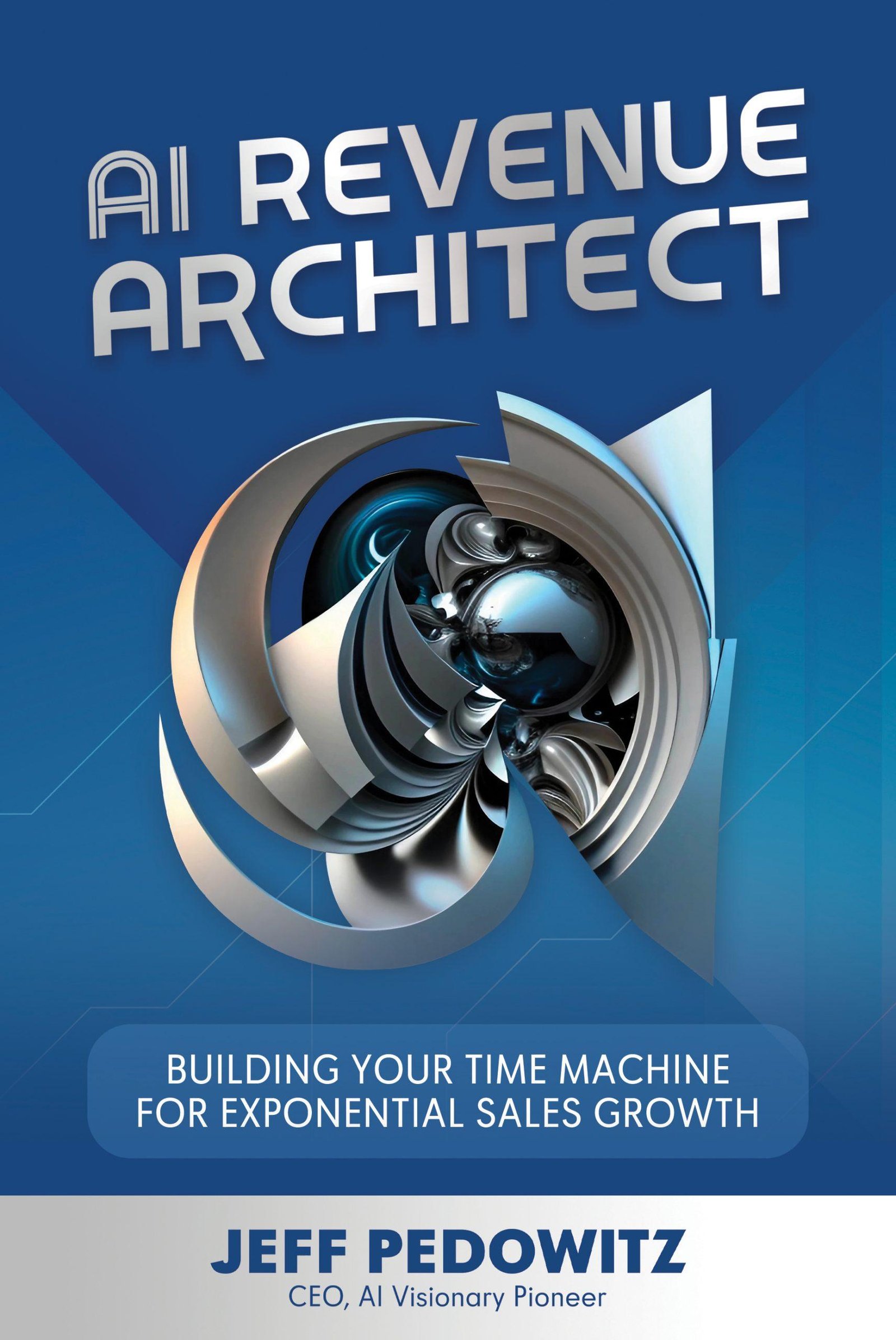
Jeff Pedowitz is an expert in marketing, sales, technology, and AI with a focus on driving revenue. He is the Founder and CEO of The Pedowitz Group, a consultancy that specializes in making marketing the revenue engine for your company.